The Future of Hydraulics is Here with Tailored Custom Manifolds
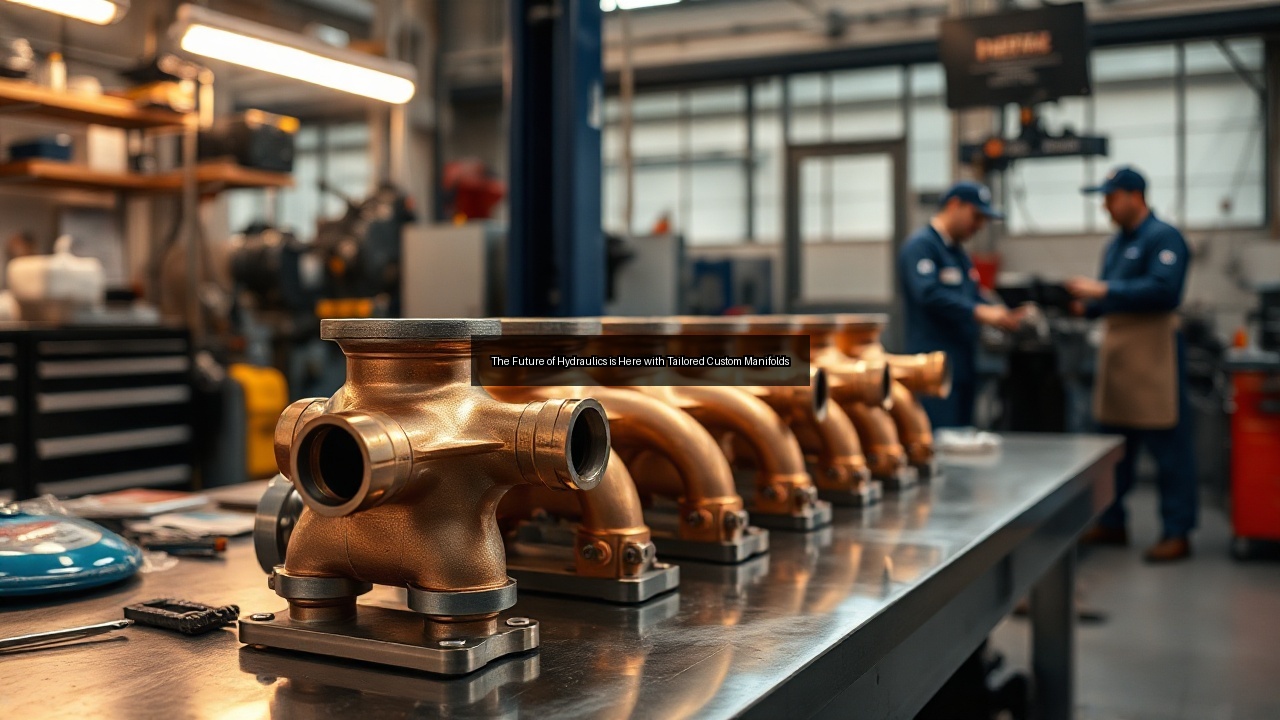
Understanding the Role of Custom Manifolds in Modern Hydraulics
Key Components of Custom Manifolds
Custom manifolds serve as critical components in hydraulic systems, acting as the distribution hubs for hydraulic fluids. These specialized assemblies integrate various parts, including valves, fittings, and connectors, all designed to manage fluid flow efficiently. The design of a custom manifold often includes multiple channels and ports, allowing for the precise control of hydraulic fluid. This flexibility enables engineers to tailor the manifold to meet specific operational requirements, optimizing the performance of the overall hydraulic system.
Valves, especially ball valves and proportional valves, play a pivotal role within these manifolds. They regulate the flow and direction of the hydraulic fluid, ensuring seamless operation across diverse applications. Additionally, the choice of materials—such as aluminum, steel, or stainless steel—affects both the structural integrity and weight of the manifold. Therefore, selecting the right components and materials is essential for achieving durability and efficiency in hydraulic applications.
The Importance of Design in Custom Manifolds
The design process for custom manifolds is crucial for ensuring their effectiveness in fluid power systems. Engineers leverage advanced software and engineering techniques to create blueprints that meet precise specifications. This design phase includes simulations to predict how the manifold will perform under various conditions, ensuring reliability and efficiency. A well-designed manifold minimizes pressure drops and maximizes fluid flow, which is vital for maintaining the performance of hydraulic systems.
Moreover, customization allows for the incorporation of features such as thermal management systems, which help dissipate heat generated during operation. By addressing these design considerations, companies can manufacture manifolds that not only meet but exceed industry standards. The result is a custom manifold that enhances the reliability and performance of hydraulic systems across diverse sectors, from agriculture to oil and gas.
Applications Across Industries: From Agriculture to Oil and Gas
Custom manifolds find applications in a wide range of industries, proving their versatility and essential role in hydraulic systems. In agriculture, these manifolds support equipment such as tractors and harvesters, allowing for precise control of hydraulic functions like steering and lifting. The tailored design ensures that agricultural machines operate efficiently, improving productivity and reducing operational costs.
In the oil and gas sector, custom manifolds manage high-pressure fluids, ensuring safe and efficient operation in challenging environments. Their robust construction withstands the rigors of harsh conditions while facilitating the necessary flow of fluids in extraction and refining processes. Moreover, industries like mining and construction utilize custom manifolds to optimize hydraulic functions in heavy machinery, contributing to increased efficiency and safety on job sites.
Innovations in Custom Manifold Manufacturing
Advancements in Software for Design and Engineering
The manufacturing of custom manifolds has evolved significantly due to advancements in design software. Modern engineering tools enable designers to create intricate models that simulate hydraulic flow and performance in real-time. This sophisticated software allows for rapid prototyping, enabling companies to test their designs before full-scale production. By utilizing simulations, engineers can identify potential issues early in the design process, leading to a more efficient manufacturing phase.
Additionally, these software applications often include features that allow for easy modifications, making it simpler to adapt designs based on client specifications or changing industry standards. The ability to visualize the manifold in a three-dimensional space enhances the understanding of how different components interact, leading to more effective design solutions. As these software technologies continue to advance, they will further revolutionize custom manifold design, improving both speed and precision in the manufacturing process.
Materials Matter: Choosing Between Steel, Aluminum, and Stainless Steel
Material selection significantly impacts the performance and longevity of custom manifolds. Steel, known for its strength and durability, is often the go-to choice for high-pressure applications. It can withstand the demanding conditions found in industries like oil and gas, where resistance to corrosion and wear is crucial.
Aluminum offers a lighter alternative, making it suitable for applications where weight reduction is essential, such as in mobile hydraulic machinery. Its natural resistance to corrosion makes it an attractive option for outdoor applications. On the other hand, stainless steel combines strength with excellent corrosion resistance, making it ideal for environments exposed to harsh chemicals or extreme temperatures.
Understanding the unique properties of these materials allows engineers to select the best option for their specific needs. Proper material choice not only enhances the performance of the custom manifold but also ensures its longevity, reducing the need for frequent replacements and maintenance.
Fabrication Techniques for High-Quality Manifolds
The fabrication of custom manifolds involves a range of techniques that ensure high-quality production. CNC machining stands at the forefront, allowing for precise cutting and shaping of materials to exact specifications. This automation in manufacturing leads to high consistency and reduced human error, resulting in manifolds that meet stringent quality standards.
Welding and joining techniques also play a crucial role in creating robust manifolds. Proper welding ensures that joints can withstand the high pressures typical of hydraulic systems. Advanced fabrication methods, such as additive manufacturing, are beginning to gain traction, enabling the creation of complex geometries that traditional methods might struggle to achieve.
Incorporating these innovative fabrication techniques results in custom manifolds that are not only functional but also optimized for performance. A focus on quality during the manufacturing process translates to better reliability and efficiency for hydraulic systems across various applications.
Tailored Custom Manifolds: Enhancing Performance in Fluid Power Systems
Custom Solutions for Thermal Management
Thermal management in hydraulic systems is essential for maintaining optimal performance and preventing overheating. Custom manifolds can be designed with integrated cooling channels or thermal sinks to dissipate heat efficiently. These solutions help regulate the temperature of hydraulic fluids, ensuring they operate within the recommended temperature range.
By addressing thermal management directly within the manifold design, companies can enhance the reliability and lifespan of hydraulic systems. This proactive approach minimizes the risk of component failure due to excessive heat, which can severely impact operational efficiency. Tailored thermal management solutions also enable hydraulic systems to maintain consistent performance levels, even under heavy loads.
Optimizing Flow with Precision Valves and Exhaust Systems
Precision valves integrated into custom manifolds play a vital role in optimizing fluid flow. These valves allow for fine-tuning of fluid dynamics, ensuring that hydraulic systems operate smoothly and efficiently. The design of the manifold can incorporate various types of valves, including proportional and check valves, to achieve precise control over fluid movement.
Furthermore, exhaust systems within the manifold design can enhance overall performance by facilitating the efficient release of hydraulic fluid. Well-designed exhaust systems reduce backpressure, allowing for smoother operation and increased energy efficiency. The combination of precision valves and optimized exhaust systems contributes significantly to the effectiveness of fluid power systems in applications ranging from construction to forestry.
The Future of Custom Manifolds in Mining and Construction
The demand for custom manifolds in the mining and construction sectors continues to grow as these industries seek to enhance operational efficiency. Custom solutions tailored to specific machinery requirements can vastly improve the performance of hydraulic systems used in excavators, bulldozers, and other heavy equipment.
Future innovations may include further advancements in materials, such as lightweight composites that offer strength without the weight of traditional metals. Additionally, smart technology integration into custom manifolds can provide real-time data on hydraulic performance, enabling predictive maintenance and reducing downtime.
As industries evolve, custom manifolds will play an increasingly vital role in optimizing fluid power systems, ensuring that machinery operates at peak efficiency while meeting the demands of a rapidly changing market.
See Also
- How Custom Manifolds are Changing the Game in Fluid Mechanics
- The Art of Designing Custom Manifolds for Optimal Performance
- The Importance of Custom Manifolds in High-Performance Exhausts
- Innovative Software Solutions for Custom Manifold Engineering
- The Advantages of Using Custom Manifolds in Diverse Applications